Western Macedonia: From Real-World Data to Action
A Significant Step Forward for Cancer Care
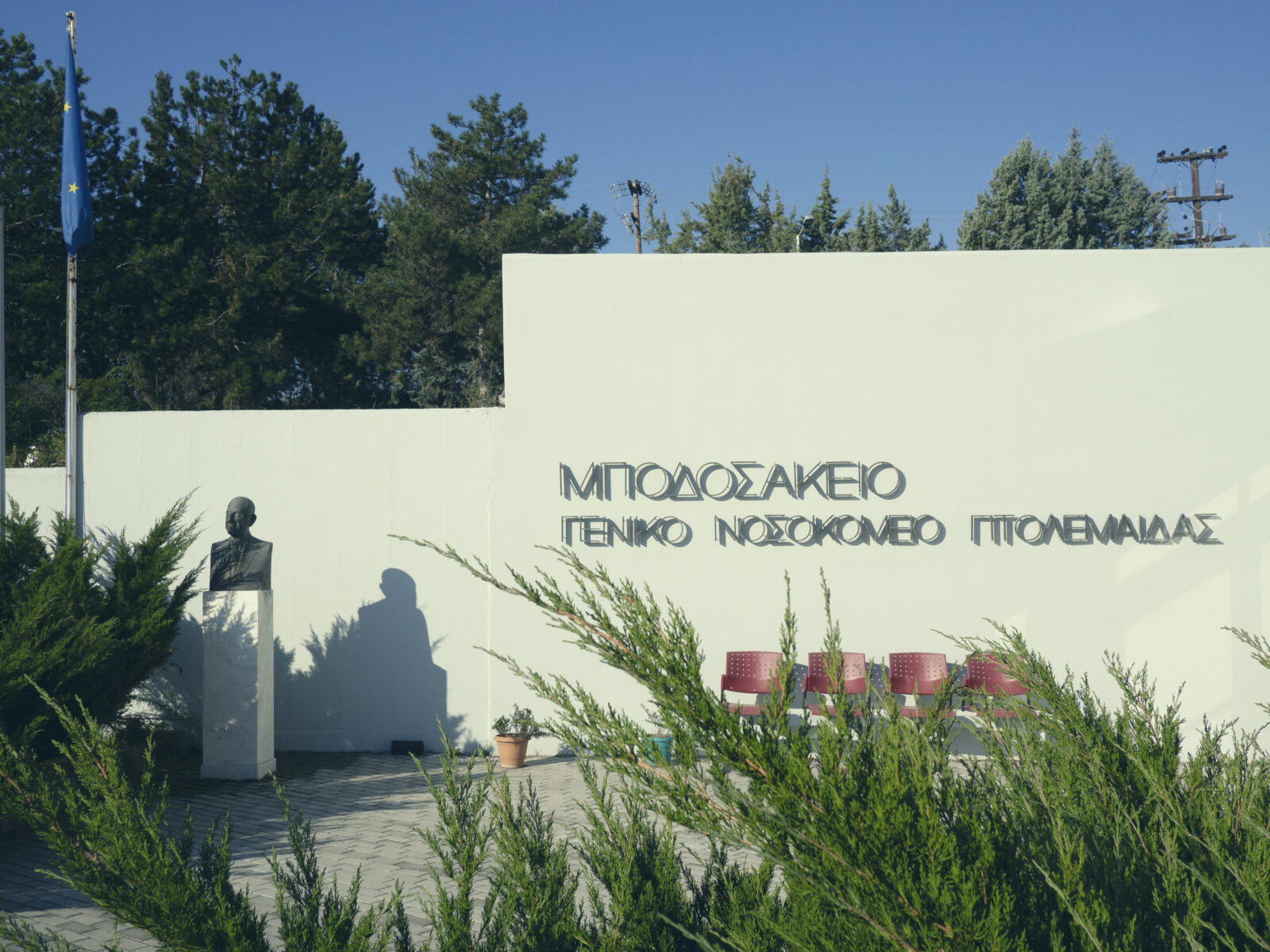
The Hellenic Cancer Federation – ELLOK welcomes the State’s announcement of €27 million in funding for the development of comprehensive cancer care services at Bodosakeio Hospital in Ptolemaida, an important step towards improving cancer care for the people of Western Macedonia.
The investment will support the strengthening of chemotherapy services, the development of a PET/CT unit and the establishment of a radiotherapy centre. It is expected to significantly enhance the cancer care available in the region and, most importantly, improve the everyday experience of cancer patients and their families by reducing the need to travel outside the region to access essential services.
“This is an important decision, not only because of the scale of the investment and the new capabilities it will create, but also because of the way we arrived at it,” said George Kapetanakis, President of ELLOK. “The process began with the question that should underpin every serious health policy planning exercise: What are the real needs of people living with cancer in a particular region, and how can we address them more effectively?”
In this context, the 3rd Regional Health Authority, the Hellenic Cancer Federation – ELLOK and the Department of Health Services Organisation & Evaluation at the School of Nursing of the National and Kapodistrian University of Athens (NKUA) collaborated on a comprehensive assessment of cancer care needs in Western Macedonia.
The approach was based on real-world data. The epidemiological profile of the region was analysed, existing structures and services were mapped, and patients’ pathways and journeys in accessing the cancer care they require were examined. The findings revealed a particularly challenging situation in the region and clearly demonstrated the need for intervention.
In response to this well-documented need, the State acted swiftly, announcing plans to establish a comprehensive and modern Oncology Centre in Ptolemaida during the visit of the Minister of Health to the Eordaia Town Hall at the end of last July.
The Hellenic Cancer Federation – ELLOK particularly wishes to recognise the swift response of Minister of Health Adonis Georgiadis, who, once the data and evidence of the need were brought to his attention, took the immediate political decision to move forward with the intervention and mobilised the State to identify the necessary solution and secure the required resources.
Equally decisive was the contribution of Deputy Minister of National Economy and Finance Nikos Papathanasis in securing the funding that now allows the planning process to move into implementation.
At the same time, we must make special mention of Dimitris Tsalikakis, Governor of the 3rd Regional Health Authority, for the initiative, persistence and determination with which he approached the issue from the outset. Above all, we recognise his decision not to stop at identifying a problem, but to work through collaboration and scientific evidence to establish the real-world data that would enable us to propose specific and implementable solutions.
Finally, an important contribution was made by Daphne Kaitelidou, Professor and Director of the Laboratory for Organisation and Evaluation of Health Services, Department of Public Health, School of Nursing, NKUA. Together with her team, she undertook the demanding task of analysing and substantiating the evidence, transforming the available real-world data into knowledge on which comprehensive planning could be based.
The development demonstrates the value of collaboration, bringing together different perspectives and areas of expertise: knowledge of the health system, scientific evidence, and the perspective and lived experience of patients.
It also illustrates the importance of an approach in which evidence is not simply collected, but used to inform decisions and shape the services that people need. Health policy decisions require real-world data, a clear understanding of population needs, knowledge of patients’ journeys, and collaboration among all those who can contribute to finding solutions.
For ELLOK, the approach taken in Ptolemaida can and should serve as an example for other regions of the country. Not by replicating structures, but by applying the same methodology: examining the real needs of the population in each case and designing the services that are genuinely required.
And when the data clearly demonstrate the problem, one more thing is needed: the State must listen and act. In Western Macedonia, an important step has been taken in this direction.
A practical example of collaboration in action
The experience in Western Macedonia also illustrates the value of bringing different actors together around a shared understanding of local cancer needs. By combining health-system knowledge, scientific analysis and the experience of patients, the collaboration created an evidence base capable of informing concrete policy and investment decisions.
For the Hellenic Cancer Mission Hub, this is precisely the kind of synergy that can help translate the objectives of the European Cancer Mission into meaningful action at regional and national level: identifying needs, connecting relevant actors, generating and using evidence, and supporting the development of cancer services that respond to the realities faced by patients and communities.
From data to knowledge. From knowledge to planning. And from planning to decisions that genuinely improve people’s lives.
This is the path we must follow.